


Description
Bambu Lab H3C Combo – Tool Changer for 9 Materials
With the H3C, Bambu Lab brings the tool changer to your desktop. Nine independent print tools, each with its own filament path and heater, make it possible to print with up to nine materials – with a material change in just 6 seconds and minimal purge waste. The Combo includes the new AMS 3H: a fully enclosed filament system with nine slots, automatic loading and integrated drying.
- ✓ 9 materials in one print
- ✓ Material change in 6 seconds
- ✓ Soft TPU up to 3× faster
- ✓ Enclosed filament system with drying
- ✓ 330 × 320 × 325 mm build volume
- ✓ Active chamber heating up to 65 °C
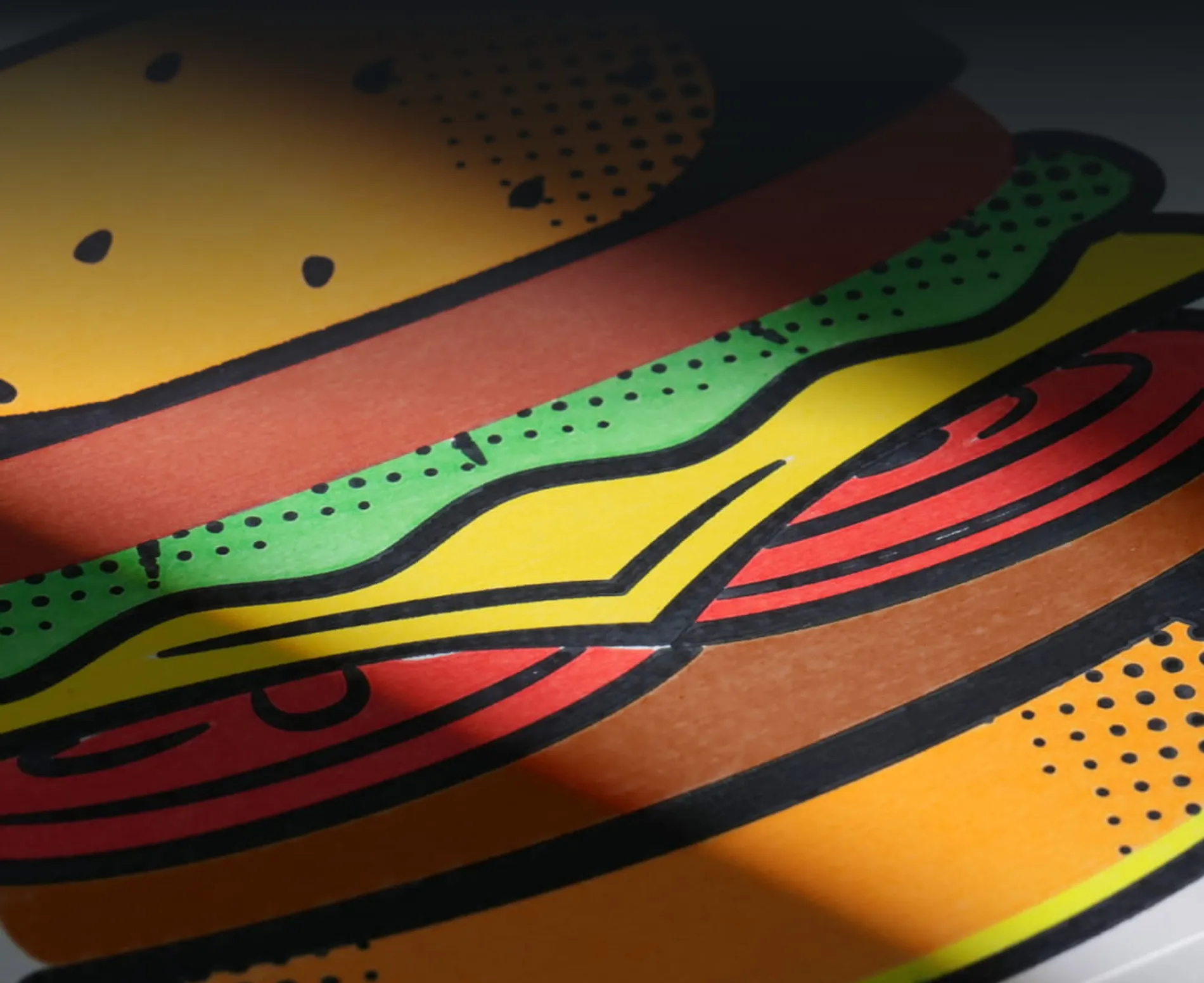

Swaptek™ – material change in 6 seconds
In conventional multicolour printing, every change means retracting the filament, feeding in the next one and purging the nozzle. On the H3C, each filament stays loaded in its own print tool – preheated and ready to print. The actual tool change takes 3.4 seconds, and printing resumes after around 6 seconds. Thanks to Active Pre-Heat, the printer heats the next nozzle while the current tool is still printing. Purge per change is only around 38 mg.
Different materials and nozzle sizes in one print
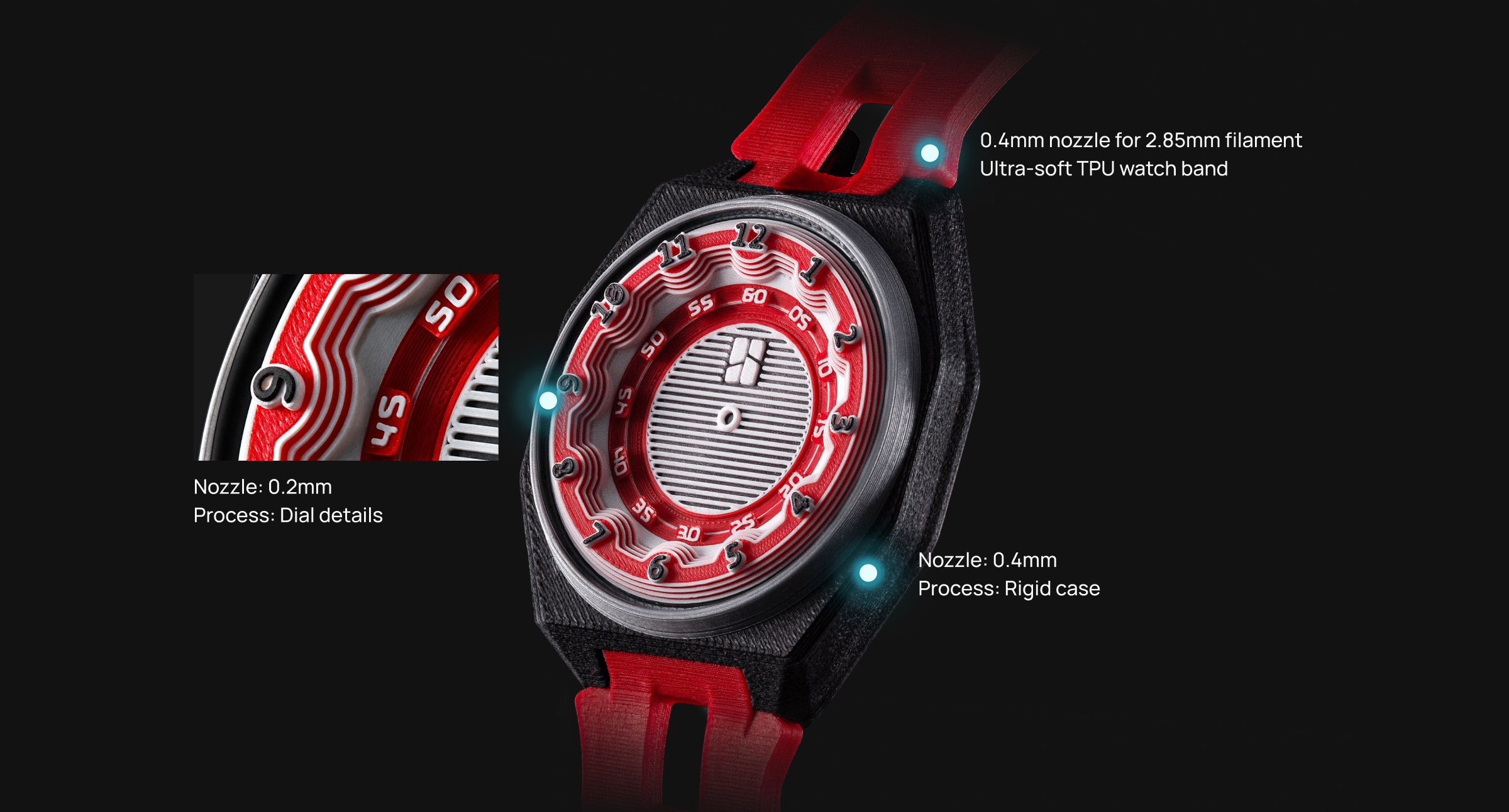
Because each tool is independent, you can combine rigid and flexible materials, soluble support material and even different nozzle sizes in a single print – for example 0.2 mm for fine details and 0.4 mm for sturdy walls. Bambu Studio plans the toolpaths so that each nozzle prints at the layer height that suits it best. Combined with PLA Palette CMYKW, colours can be mixed across the entire spectrum.
FlexFeed – soft TPU up to 3× faster
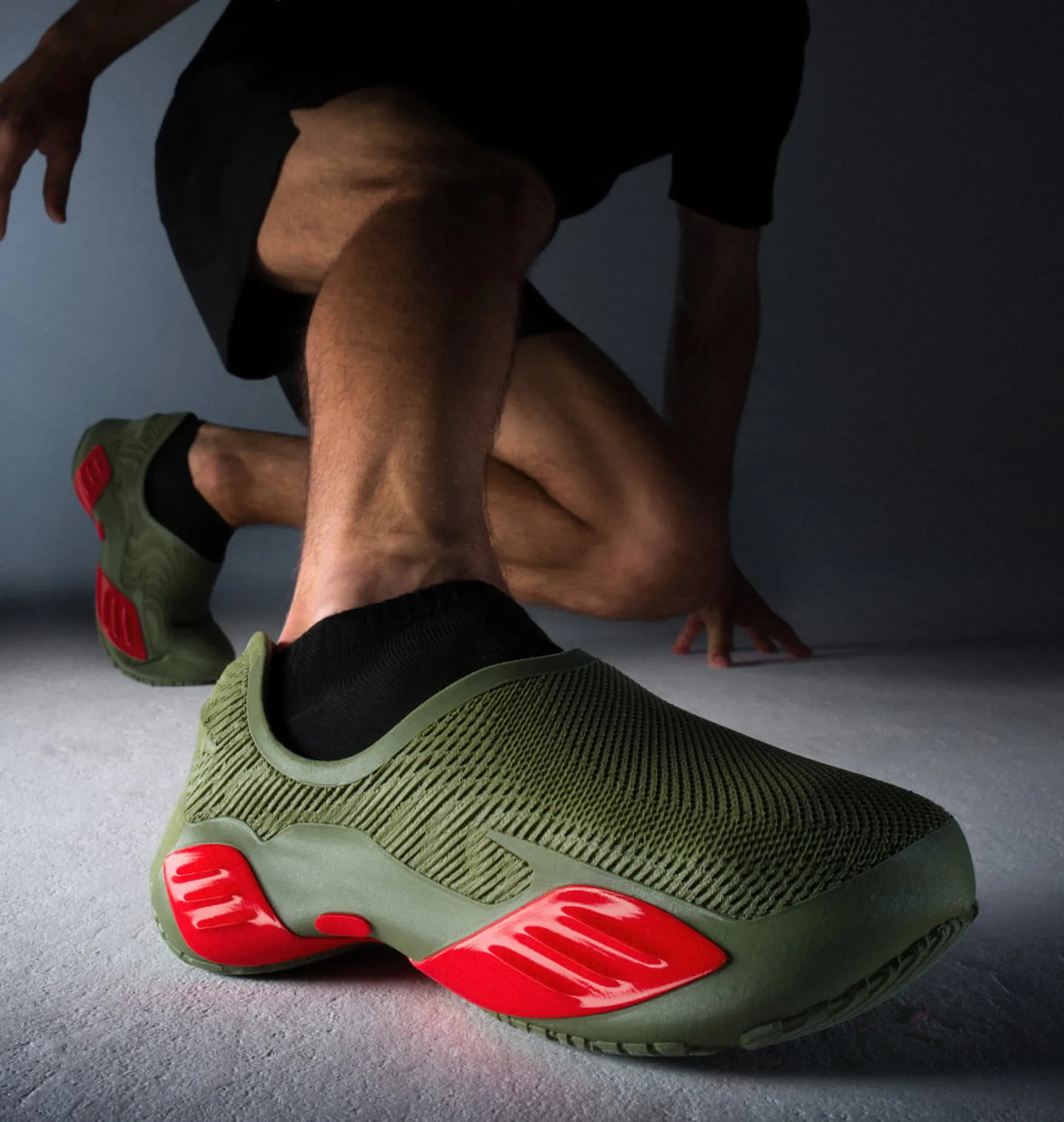
The FlexFeed extruder handles both 1.75 mm and 2.85 mm filament. With Bambu Lab’s dedicated 2.85 mm TPU, the H3C prints TPU as soft as Shore 75A at up to three times the flow rate of the previous generation – reliably and without buckling. One of the nine tools is already set up for 2.85 mm filament.
AMS 3H – filament stored sealed and dry
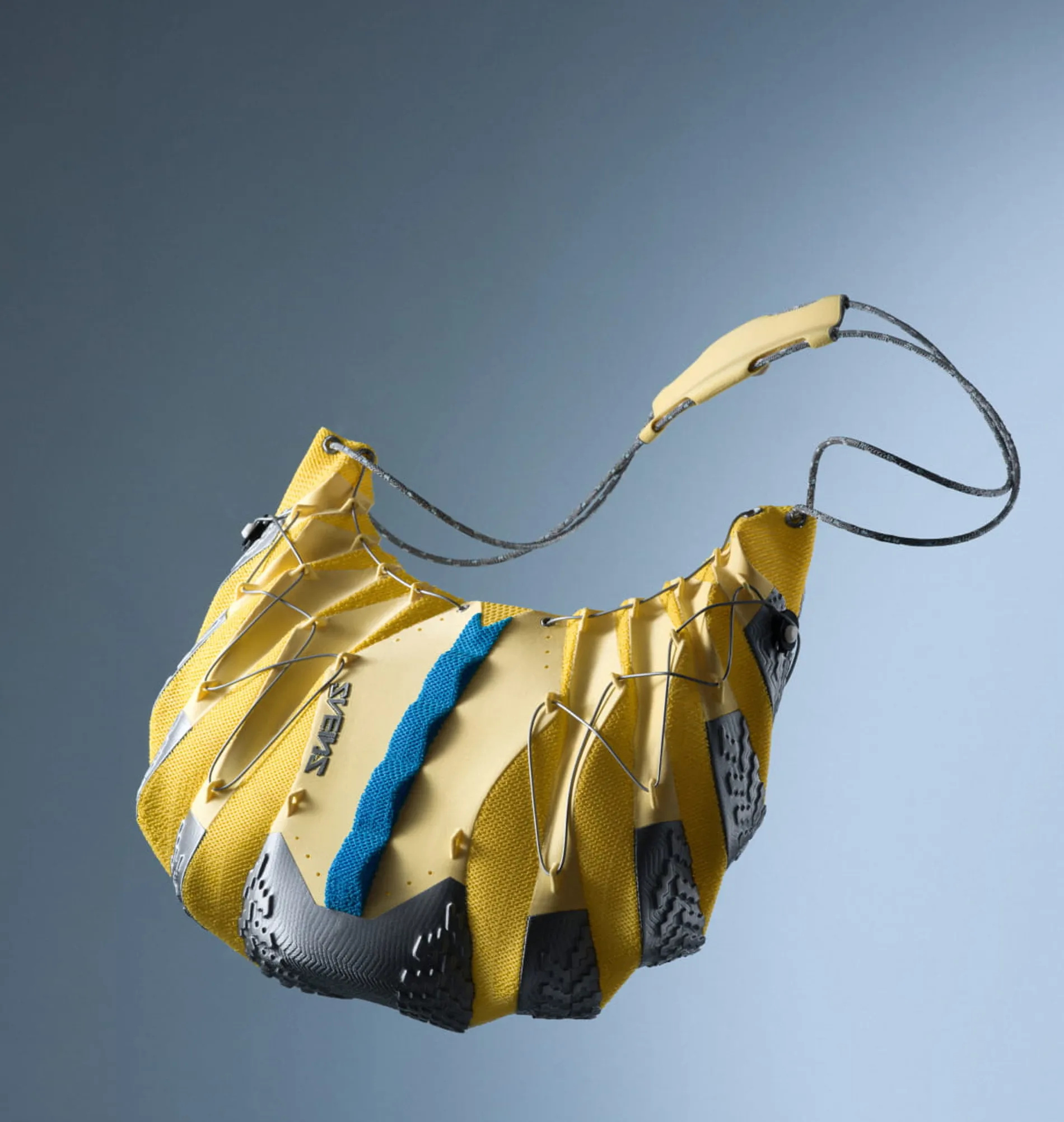
All nine spools sit in a sealed enclosure and are fed automatically to their print tool – just insert the filament end and the automatic loader does the rest. Two slots dry filament at up to 85 °C, even during printing if required. That is enough for moisture-sensitive materials such as PA, PC and carbon-fibre-filled filaments. Existing AMS units can be connected via print tool no. 1, expanding the system to up to 24 spools.
Flagship performance
The toolhead and X-axis are 40 % lighter than on the H2D. This lets the H3C accelerate at 25,000 mm/s² to speeds of up to 1,400 mm/s. Four cooling levels ensure clean overhangs and bridges. With hardened steel nozzles reaching 350 °C and active chamber heating up to 65 °C, the H3C also prints engineering materials such as ABS, PC, PA-CF and PET-CF without warping.
Less tweaking, more creating
Before every print, the H3C automatically calibrates the docking of all nine tools, the tool offsets and bed levelling. AI monitoring checks the build chamber before the start and detects spaghetti, nozzle clogs and blockages in the waste chute during printing. If a problem occurs, the new HMS with MiniWiki explains the cause and guides you through the fix right on the display.
Optional extensions
With the separately available CraftTools, the H3C becomes a multi-process machine: cutting, drawing, embossing and foil transfer run fully automatically within the same job. Also available are the Vision Encoder plate for lasting motion accuracy below 50 µm, the BirdsEye camera, the Bambu Station L and the E1 air purifier.


What’s in the box – H3C Combo
- Bambu Lab H3C 3D printer
- Bambu Lab AMS 3H
- 8× 0.4 mm print tool
- 1× 0.4 mm print tool for 2.85 mm filament
- Textured PEI build plate
- Printer power cable
- Power cable for drying module
- Bambu bus cable, 6-pin
- Accessory box
Technical specifications
General
| Printing technology | Fused filament fabrication (FFF) |
|---|---|
| Tool changer | 9 tools with Swaptek™ |
| Build volume | 330 × 320 × 325 mm |
| Enclosure | enclosed, steel chassis, plastic outer frame |
| Printer dimensions | 493 × 571 × 587 mm |
| Dimensions with AMS 3H | 493 × 571 × 1016 mm |
| Recommended clearance | 593 × 1056 × 1306 mm |
| Net weight | 36.28 kg (incl. AMS 3H) |
Print tool and print bed
| Nozzles | hardened steel, 0.4 mm included |
|---|---|
| Supported nozzles | 0.2 / 0.4 / 0.6 / 0.8 mm |
| Max. nozzle temperature | 350 °C |
| Filament diameter | 1.75 mm, 2.85 mm (bypass feed only) |
| Extruder | FlexFeed, brushless servo motor with planetary gear |
| Filament cutter | integrated in the print tool |
| Build plate | Textured PEI (included); compatible with Cool Plate SuperTack and Engineering Plate |
| Max. bed temperature | 120 °C |
Performance and build chamber
| Max. speed | 1,400 mm/s |
|---|---|
| Max. acceleration | 25,000 mm/s² |
| Max. flow rate | 40 mm³/s |
| Chamber heating | active, up to 65 °C |
| Air filter | HEPA H11 and activated carbon (coconut shell) |
Materials
| Standard | PLA, PETG, PCTG, TPU, EVA, PE, PP, PHA |
|---|---|
| Support material | PVA, BVOH, Support-Filament |
| Engineering | ABS, ASA, HIPS, PA, PAHT, PC, PET, PPA, PPS |
| Fibre-reinforced | Carbon/glass fibre: PLA, PETG, ABS, ASA, HIPS, PA, PAHT, PC, PET, PPA, PPS |
Sensors and electronics
| Cameras | live view 1080p, toolhead 1080p, BirdsEye optional |
|---|---|
| Sensors | door, filament runout, nozzle clumping, filament odometry, power-loss recovery |
| Display | 5-inch touchscreen (854 × 480) |
| Storage | 64 GB eMMC, USB port |
| Processor | quad-core ARM with NPU |
| Network | Wi-Fi 6, no Ethernet |
| Software | Bambu Studio, Bambu Handy; third-party slicers such as PrusaSlicer and Cura supported |
| Power supply | 200–240 VAC, 50/60 Hz, max. 2,250 W |
AMS 3H
| Spool slots | 9, sealed, with RFID recognition |
|---|---|
| Drying | 2 slots, up to 85 °C, also during printing |
| Loading | automatic filament loader |
| Spool size | width 50–68 mm, diameter 197–202 mm |
| Expansion | up to 24 spools with additional AMS units |
| Dimensions / weight | 480 × 562 × 460 mm, 9 kg |